Introduction
Aluminium fabrication is the process of shaping, cutting, and assembling aluminium materials to create structures and components for various applications. This guide provides a comprehensive overview of aluminium fabrication.
What Is Aluminium Fabrication?
Aluminium fabrication involves working with aluminium to create custom structures and components. The process includes cutting, bending, welding, assembling, and finishing aluminium parts according to specific design requirements.
Types of Aluminium Fabrication
Structural Fabrication
Creating load-bearing structures such as frames, supports, trusses, and platforms for buildings and industrial facilities.
Architectural Fabrication
Focuses on aesthetic and functional elements for buildings including curtain walls, facades, cladding systems, canopies, and pergolas.
Custom Fabrication
Creating bespoke items based on specific client requirements including custom railings, gates, furniture, and specialty items.
The Fabrication Process
The process includes design and planning, cutting and shaping, welding and joining, and surface finishing.
Applications
- Residential: Gates, railings, canopies, staircases
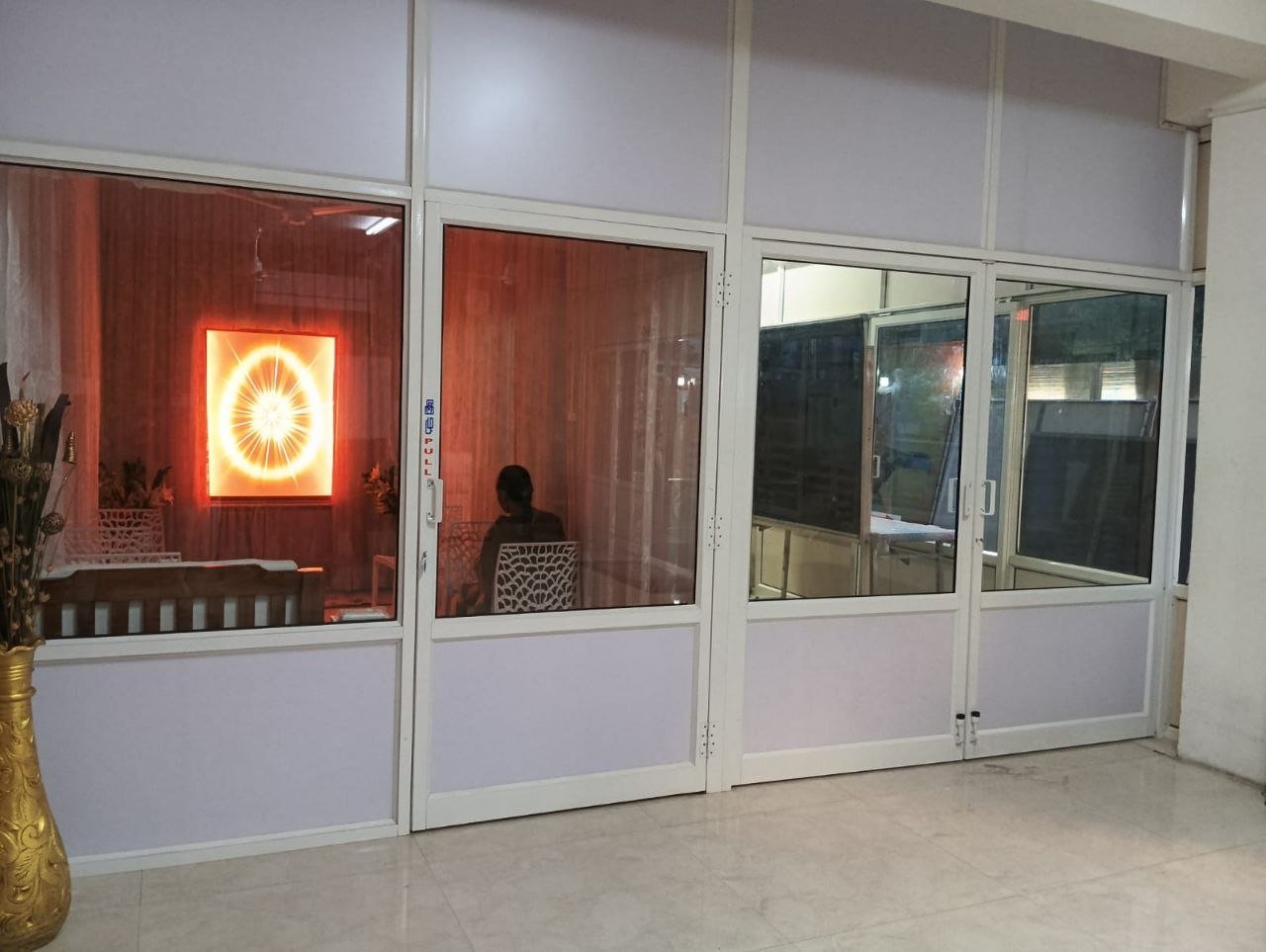
- Commercial: Shop fronts, signage, partitions
- Industrial: Equipment frames, workstations
- Architectural: Facades, curtain walls, cladding
Benefits
- Lightweight yet strong
- Corrosion resistant
- Versatile and customisable
- Modern aesthetic appeal
- Sustainable and recyclable
Conclusion
At Sri Krishna Aluminium, we specialise in custom aluminium fabrication for clients across Chennai. Contact us for a free quotation.
Frequently Asked Questions
Fabrication is the complete process including design, cutting, bending, welding, and finishing. Welding is one part of the fabrication process.
The cost depends on complexity, materials, and finishing. Contact us for a custom quotation.